
 See Our Latest Article on HelloNation
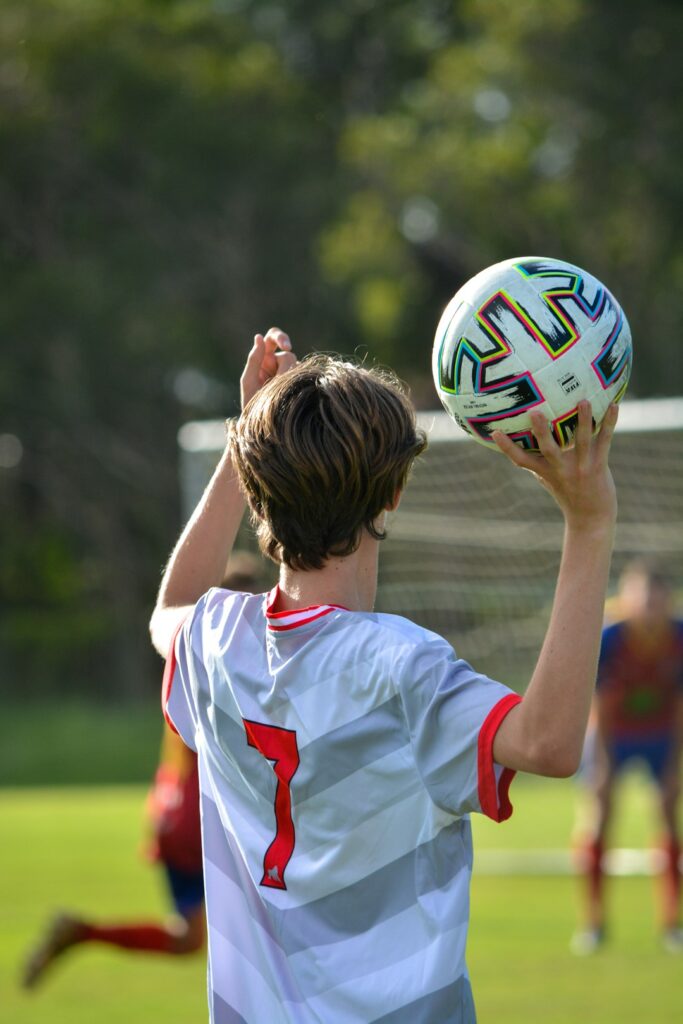
Sports can support strength, coordination, confidence, and community. They also carry a risk of concussion, especially during activities involving falls, collisions, rapid changes in direction, or contact with equipment. A concussion is a type of mild traumatic brain injury caused by a bump, blow, or jolt to the head or body that makes the brain move quickly inside the skull.
Not every concussion can be prevented, but athletes, families, coaches, and sports programs can reduce risk by limiting dangerous contact, using equipment correctly, recognizing symptoms early, and keeping injured players out of play.
What strategies help prevent sports concussions?
The most effective prevention plan combines safer technique, well-maintained equipment, rule enforcement, appropriate practice structure, and a team culture that treats symptom reporting as responsible behavior.
A helmet may reduce the risk of skull fractures and serious brain injury, but no helmet can prevent every concussion. Preventive steps should include:
- Teaching athletes not to use the head to tackle, check, or strike another player
- Reinforcing safe body positioning and sport-specific techniques
- Enforcing rules against dangerous contact, illegal hits, and reckless play
- Limiting unnecessary contact drills during practices
- Matching activities to the athlete’s age, size, experience, and physical development
- Making sure coaches, officials, parents, and athletes understand the team’s concussion policy
- Encouraging players to speak up immediately after a hit, fall, or jolt
A strong safety culture matters because many athletes minimize symptoms when they fear losing playing time or disappointing teammates.
How should helmets and protective equipment be used?
Protective equipment should fit the activity and the athlete, remain in good condition, and be checked regularly. A loose, damaged, outdated, or incorrectly adjusted helmet may not provide the protection it is designed to offer.
Families should check that:
- The helmet is made for the specific activity
- It fits snugly without painful pressure
- It does not shift when the athlete moves
- Straps and fasteners are adjusted correctly
- The shell, padding, and attachment points are intact
- The equipment has not been involved in a damaging impact
Helmets used for cycling, skiing, snowboarding, horseback riding, lacrosse, football, or other activities are not interchangeable. A bicycle helmet, for example, should not be treated as a substitute for equipment designed for a different sport.
Mouthguards, face protection, padding, and properly fitted footwear can also reduce certain injuries, although they cannot eliminate concussion risk. Be cautious of products that claim to prevent all concussions.
Why do rules and practice design matter?
Rules are not merely technical requirements; they are injury-prevention tools. Removing dangerous actions from play lowers the number and force of head impacts athletes experience.
Sports programs can reduce risk by:
- Limiting full-contact practice time
- Teaching controlled contact before competitive drills
- Giving athletes adequate rest and recovery time
- Stopping play when the field, court, rink, or equipment becomes unsafe
- Addressing aggressive or reckless behavior consistently
- Using age-appropriate rules and modified activities for younger players
- Reviewing injury patterns and adjusting drills when repeated impacts occur
In Patterson, seasonal conditions may affect outdoor training. Wet grass, uneven ground, early darkness, snow, ice, and changing temperatures can increase the chance of falls or awkward collisions. Coaches and families should inspect playing areas before practices and games, provide suitable lighting, and modify or postpone activity when surfaces are hazardous.
Good conditioning can help athletes control their movements, but fitness does not make someone immune to concussion. Fatigue may also reduce reaction time and technique, so breaks and hydration are part of a sensible safety plan.
What should athletes know about reporting symptoms?
Athletes should report any head impact or body impact followed by symptoms, even if the symptoms seem mild or appear several minutes later. A player does not need to lose consciousness to have a concussion.

Possible symptoms include:
- Headache or pressure in the head
- Dizziness, balance problems, or blurred vision
- Nausea or vomiting
- Sensitivity to light or noise
- Feeling foggy, slowed down, or unusually tired
- Difficulty concentrating or remembering plays
- Irritability, sadness, anxiety, or unusual behavior
- Sleeping more or less than usual
A teammate who seems confused, moves unusually, forgets instructions, or cannot explain what happened may need to be removed from play. Coaches should not rely on an athlete to make the final decision about continuing after a suspected concussion.
The safest immediate response is to stop participation and arrange an appropriate medical evaluation. Returning to the same game or practice after a suspected concussion can increase the chance of another injury before the brain has recovered.
What are common misconceptions about concussion prevention?
Several persistent beliefs can create unnecessary risk.
“If there was no loss of consciousness, it is not a concussion.”
Most concussions do not involve loss of consciousness.
“A helmet makes it safe to lead with the head.”
Helmets are protective equipment, not permission for dangerous technique.
“Athletes should tough it out.”
Continuing to play with symptoms may prolong recovery and increase the risk of another injury.
“A normal appearance means the athlete is fine.”
Symptoms can be subtle, delayed, or difficult for the athlete to recognize.
“Returning to school means returning to sports.”
An athlete may be able to attend class while still needing to avoid contact, scrimmages, games, and other activities that could cause another head injury.
How can families prepare before a sports season?
Before the season starts, families can ask how the program handles suspected concussions, who evaluates injured athletes, and what steps are required before return to play. It is also useful to discuss symptoms with children before an injury occurs, using direct language such as, “Tell an adult if you feel dizzy, foggy, sick, unusually tired, or not like yourself.”
Parents can keep a record of previous concussions and share relevant medical information with the appropriate care team. A history of concussion does not automatically mean an athlete must stop playing sports, but it does make careful recognition, recovery, and return-to-play planning especially important.
Chiropractic care may address musculoskeletal concerns such as mobility, strength, or movement patterns, but suspected concussion requires evaluation within an appropriate medical pathway. Manual treatment should not be used to dismiss, diagnose, or replace evaluation of possible brain injury.
When is emergency care needed?
Emergency help is needed after a sports impact if the athlete has a worsening headache, repeated vomiting, seizure, weakness or numbness, slurred speech, unusual behavior, increasing confusion, unequal pupils, loss of consciousness, extreme drowsiness, or difficulty being awakened.
If symptoms are not improving, become worse with normal activities, or continue beyond the expected recovery period, follow-up medical care is appropriate. An athlete should return to contact sports only through a gradual, supervised progression after symptoms have resolved and the required medical clearance has been obtained.
Prevention is strongest when athletes, families, coaches, officials, and schools treat head safety as part of ordinary sports preparation rather than as a response only after an injury occurs.
