
 See Our Latest Article on HelloNation
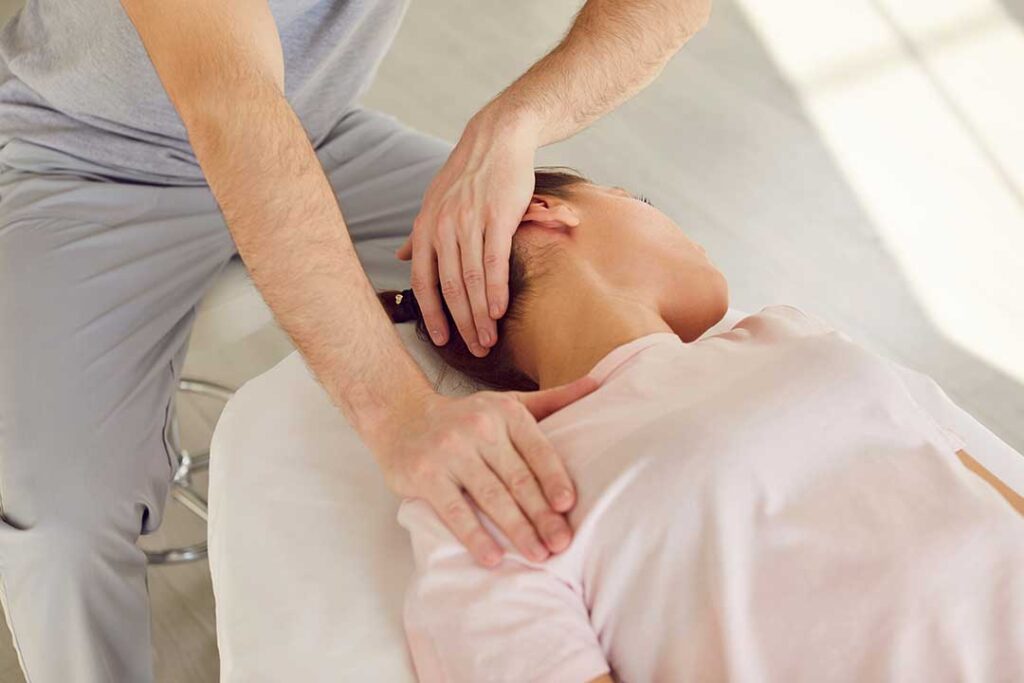
What Common Habits Cause Ongoing Neck Pain?
Recurring neck pain often develops gradually from daily routines rather than a single incident. In Patterson, NY, the mix of commuting, working from home, and local outdoor activities can all have an impact.
Neck pain is frequently linked to:
- Prolonged screen time on computers, tablets, or phones
- Poor posture while driving or working
- Inadequate support from pillows or mattresses
- Repetitive motions, such as certain gardening or home improvement tasks
Many people overlook how small, repeated stresses add up over days and weeks. For example, a poorly adjusted home office setup or spending time hunched over a smartphone can quietly cause muscle fatigue and stiffness.
How Does the Patterson Climate Influence Neck Pain?
Seasonal weather patterns in Patterson can make neck pain issues worse or harder to resolve. Cold winters may lead to muscle stiffness, especially after outdoor chores or shoveling snow. Air conditioning in the summer, while comfortable, can cause local muscles to tense up if directed at the neck for long periods.
Practical tips for managing weather influences:
- Warm up with light stretches before heading outdoors in cold weather
- Avoid letting cold air blow directly onto the neck, whether from a car vent or household AC
- Wear scarves or high-collared coats if spending extended time outside during colder months
Are There Simple Posture Adjustments That Help?
Yes, improving posture is one of the most effective preventive actions for residents in this area. Small posture adjustments often prevent minor aches from becoming chronic pain.
To reduce risk:
- Position computer screens at eye level to keep the neck aligned
- Use chairs with proper back and neck support, especially if working from home
- Keep feet flat on the floor and shoulders relaxed while seated
- Take short breaks to gently move and stretch every hour during desk work
Common misconception: Some think "perfect posture" means staying rigid. In reality, moving, shifting, and changing positions throughout the day is healthier for neck muscles than holding still.
What Bedroom Choices Impact Neck Health?
Sleep habits can play a significant role. In Patterson, NY homes, a mismatch between body type and pillow or mattress choice is a pervasive but correctable cause of recurring discomfort.
Key considerations:
- Select a pillow that keeps the neck in line with the rest of the spine—too high or too flat can strain muscles overnight
- Test mattress firmness to find one that offers enough support without forcing awkward neck angles
- Avoid sleeping on the stomach, which twists the neck for long periods
It may take some experimentation to find the right combination—consider noting how your neck feels after different sleep setups and adjusting accordingly.
How Can Technology Use Be Safer for the Neck?
Technology use is a growing contributor to neck pain, especially in homes and workplaces around the city. Checks on phone or tablet usage habits often reveal the source of unexplained recurring discomfort.
Prevent strain by:
- Holding devices at eye level, instead of looking down while scrolling or texting
- Setting reminders for movement breaks if you use devices for long sessions
- Using voice-to-text or speakerphone features to avoid cradling the phone between ear and shoulder
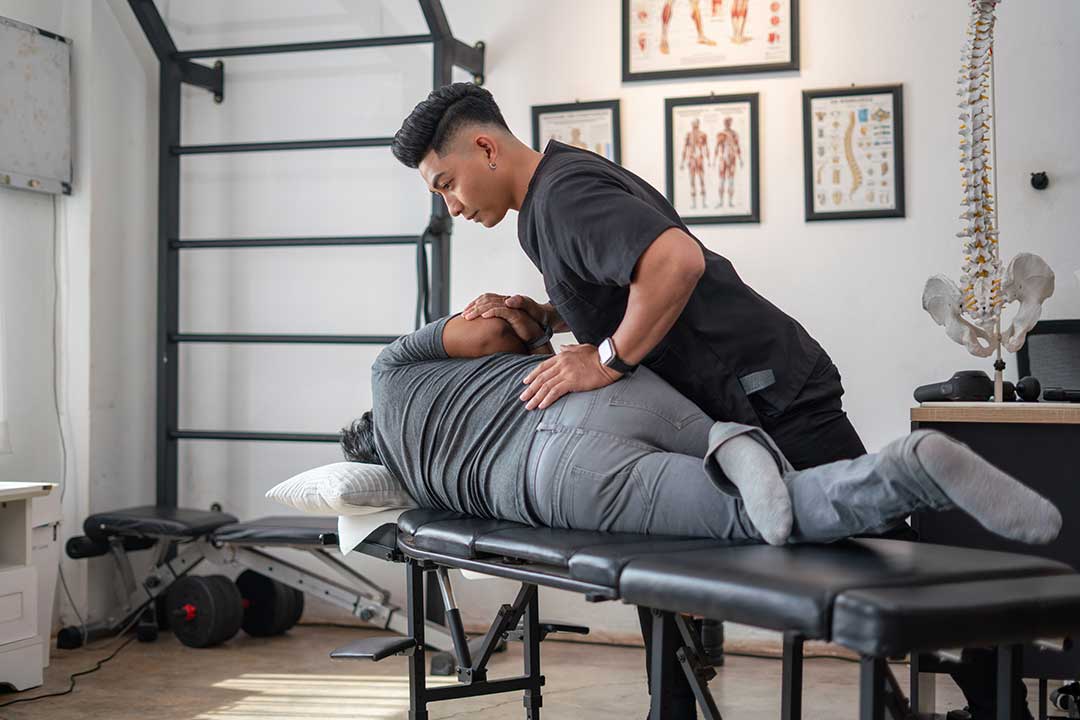
Some residents underestimate the impact of handheld tech—they may attribute their stiffness to age or stress when daily device use is the real culprit.
Can Stress and Daily Tension Cause Recurring Neck Pain?
Yes, tension from daily activities or stressors is a common but underrecognized factor. Chronic stress triggers muscle tightening, especially in the neck and upper shoulders.
Practical solutions:
- Try deep breathing exercises or mindfulness routines to counteract daily tension
- Use gentle neck stretches and shoulder rolls during moments of stress (such as after difficult commutes or long meetings)
- Take regular walks to reduce overall muscle tightness
The region’s blend of active lifestyles and periods of high work or school demands makes it easy to overlook just how much stress contributes to musculoskeletal discomfort.
What Role Does Physical Activity Play?
Regular physical activity keeps muscles strong, flexible, and resilient—an essential part of pain prevention for the Patterson community. Both low-impact exercise and brief stretches have benefits.
For ongoing neck health:
- Include neck, shoulder, and upper back stretches in daily routines
- Avoid sudden, forceful movements, especially during sports or strenuous chores
- Stay active year-round; walks in local parks or along local trails are helpful, even in colder months with suitable attire
Be cautious with new types of exercise; ramp up intensity slowly to give muscles time to adapt.
Are There Situations Where Professional Help Is Needed?
Most recurring neck discomfort improves with the suggestions above. However, some situations do warrant a professional evaluation for safety and best outcomes. Residents should seek guidance if:
- Pain persists or worsens for several weeks despite home strategies
- There is numbness, tingling, or weakness in the arms or hands
- Neck pain follows an accident or fall
Otherwise, combining small daily changes and listening to body signals is usually enough to prevent flare-ups from returning.
