
 See Our Latest Article on HelloNation
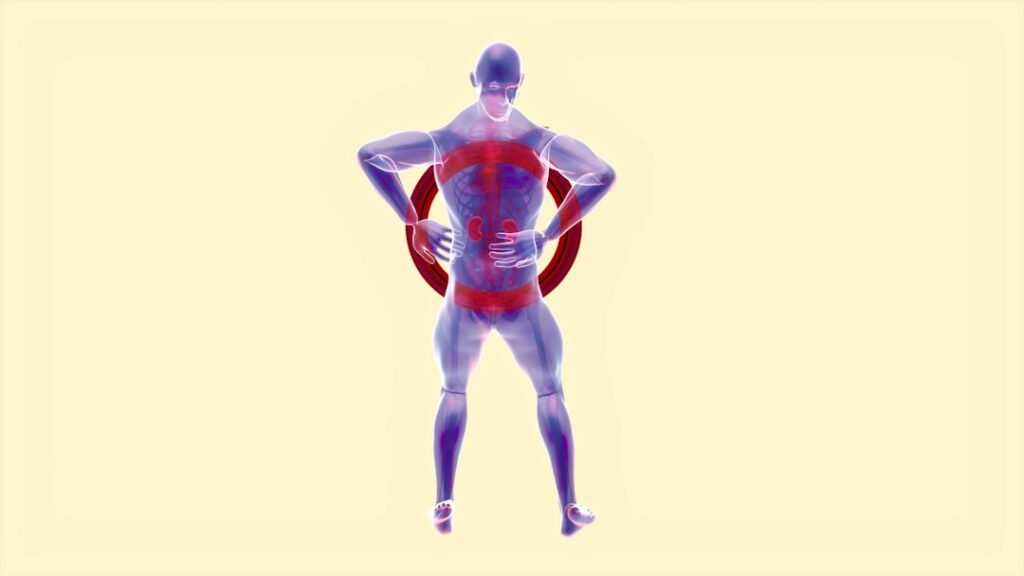
Back pain is often caused by strained muscles, irritated joints, prolonged sitting, lifting, or repetitive activity. Most episodes improve with time and sensible movement. However, some symptoms suggest nerve compression, infection, fracture, cancer, or another condition that needs prompt medical evaluation.
Knowing the warning signs can help residents distinguish ordinary soreness from pain that should not be ignored.
Which back pain symptoms require emergency attention?
Back pain accompanied by new bladder or bowel problems, numbness around the groin, or rapidly progressing leg weakness requires emergency evaluation. These symptoms can indicate pressure on the bundle of nerves at the bottom of the spine, sometimes called cauda equina syndrome.
Seek emergency care if back pain occurs with:
- New inability to urinate or difficulty starting urination
- Loss of bladder or bowel control
- Numbness or reduced sensation around the inner thighs, buttocks, genitals, or anus
- New weakness in both legs
- Rapidly worsening numbness, weakness, or difficulty walking
- Severe back pain that spreads down both legs
This problem is uncommon, but delaying assessment can increase the risk of lasting nerve damage. Do not wait to see whether these symptoms improve with stretching, rest, or home treatment.
Does leg pain mean the back problem is serious?
Pain traveling from the lower back into the buttock, thigh, calf, or foot may indicate irritation of a spinal nerve. This is often called sciatica. One-sided leg pain by itself does not always mean an emergency, especially when strength and sensation remain normal.
The concern increases when radiating pain is accompanied by:
- Foot drop or difficulty lifting the front of the foot
- Repeated tripping or a newly unsteady gait
- Noticeable loss of strength in the leg
- Numbness that is spreading or becoming constant
- Symptoms in both legs
- Pain that is worsening quickly rather than gradually settling
A pinched nerve can result from a bulging disc, narrowing around the spinal nerves, or inflammation. A clinician should assess new or worsening weakness because nerve function can be affected even when the pain level is not extreme.
What does fever have to do with back pain?
Fever, chills, or feeling acutely ill alongside back pain may point to an infection rather than a simple muscle strain. Spinal infections are rare but can become serious, particularly when pain is constant, deep, or worse at night.
Prompt medical attention is also appropriate when back pain occurs after a recent serious infection, surgery, injection, or wound. People with weakened immune systems, poorly controlled diabetes, or a history of intravenous drug use may have a higher risk of infection.
A back that feels sore after shoveling, carrying, or an unusual workout is different from severe pain paired with fever or a general feeling of illness. The combination matters.
When could back pain be related to a fracture?
A fall, vehicle collision, direct blow, or other significant injury can fracture a vertebra. Fractures can also occur after a relatively minor incident in people with weakened bones.
Back pain deserves prompt evaluation after trauma, especially if there is:
- Severe pain that began immediately after the event
- Inability to stand or walk normally
- Pain that increases with nearly every movement
- New bruising or tenderness directly over the spine
- A history of osteoporosis or previous fractures
- Long-term use of steroid medication
- Older age combined with sudden pain after a fall
Winter conditions in Patterson can create slippery walkways, icy steps, and difficult footing. A fall that seems minor should not be dismissed if pain is intense, persistent, or located directly over the bones of the spine.
Is nighttime back pain a warning sign?
Pain that repeatedly wakes someone from sleep, steadily worsens at night, or does not change with position deserves medical attention. Night pain does not automatically mean a dangerous disease; irritated joints, arthritis, and certain disc problems can also hurt at night. The pattern becomes more concerning when it is constant, progressive, or combined with weight loss, fever, or a history of cancer.
Unexplained weight loss, unusual fatigue, or a major change in appetite should be mentioned during an evaluation. These details can help distinguish a mechanical problem from a condition affecting the whole body.

Can abdominal or urinary symptoms be connected to back pain?
Sometimes pain felt in the back originates outside the spine. Kidney stones, kidney infections, abdominal disorders, and other internal conditions can cause pain in the flank or lower back.
Back pain should be evaluated promptly when it occurs with:
- Burning or painful urination
- Blood in the urine
- Nausea or vomiting
- Severe pain on one side of the back or abdomen
- A throbbing sensation in the abdomen
- New urinary changes that do not fit the usual pattern
A muscle strain generally changes with movement, position, or pressure. Internal-organ pain may remain intense regardless of posture and may be accompanied by digestive, urinary, or systemic symptoms.
How long is it reasonable to monitor back pain at home?
Mild back pain that follows ordinary activity can often be monitored for a short period if there are no warning signs. Gentle movement is usually preferable to prolonged bed rest. Short walks, frequent position changes, and avoiding heavy lifting may help while the area settles.
Medical advice is appropriate when pain:
- Continues to worsen over several days
- Has not meaningfully improved after a few weeks
- Keeps returning and interferes with normal activities
- Makes work, sleep, walking, or basic household tasks difficult
- Requires increasing amounts of pain medication
- Begins without an obvious explanation
People in the community may spend long periods driving, sitting at a desk, working from home, or doing seasonal outdoor tasks. These habits can aggravate back pain without indicating a dangerous condition, but persistent limitations still deserve an accurate assessment.
What should someone do before being evaluated?
Write down when the pain began, what triggered it, where it travels, and whether numbness or weakness is present. Note any fever, fall, urinary change, bowel change, weight loss, or nighttime waking. A simple symptom timeline can make an evaluation more useful.
Avoid forceful stretching, high-impact exercise, or repeated lifting when pain is sharp, radiating, or associated with weakness. Do not attempt to “push through” symptoms involving bladder or bowel changes, saddle-area numbness, or rapidly progressing loss of strength.
Chiropractic care may be appropriate for some mechanical causes of back pain, but serious warning signs should be medically evaluated before routine hands-on treatment. The priority is identifying whether the pain is coming from muscles and joints or whether nerves, bones, infection, or internal organs may be involved.
Pain intensity alone does not determine seriousness. A severe muscle strain may improve safely, while a smaller amount of pain accompanied by weakness, fever, or new bladder symptoms may require urgent care.
