
 See Our Latest Article on HelloNation
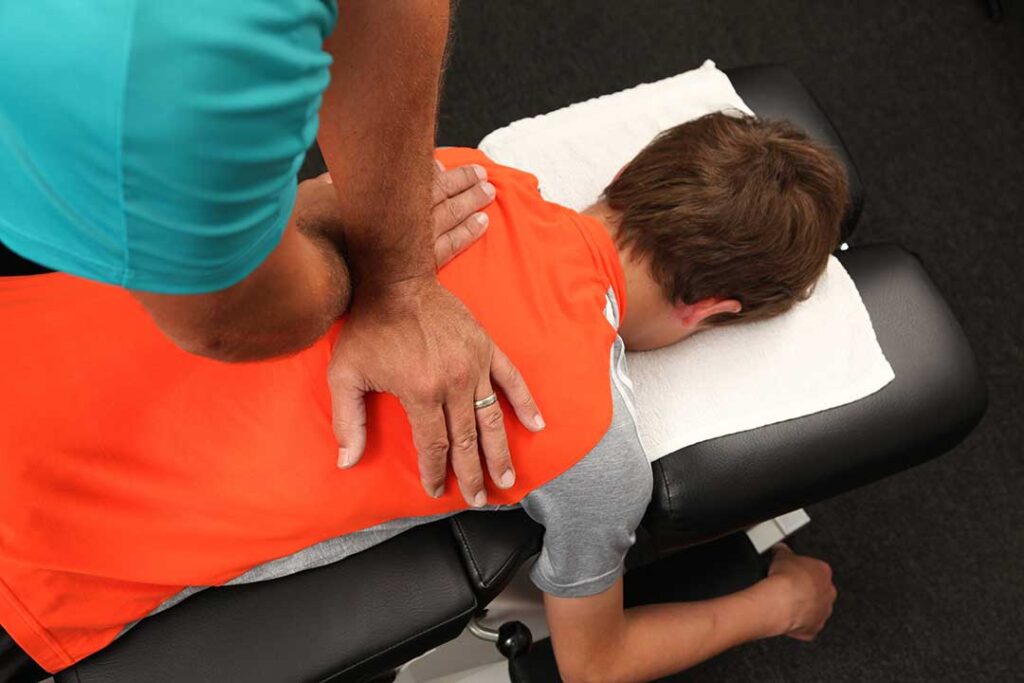
Are Minor Aches and Pains Worth Worrying About?
People frequently dismiss small aches, stiff joints, or nagging back pain, assuming these issues will resolve on their own. However, even mild discomfort can be an early signal of an underlying problem. Ignoring these signs might lead to more severe complications, especially for those living with the seasonal demands and physical routines common among Patterson, NY residents.
Small injuries or discomfort can stem from everyday activities unique to local life—shoveling snow, maintaining large properties, or seasonal sports. What begins as a slight annoyance may quietly develop into chronic pain or reduced mobility if left unaddressed.
What Causes Ongoing Discomfort from Everyday Activities?
Repetitive movements, poor posture, and small strains often become part of daily routines, especially with changing seasons in Patterson. These minor but frequent stresses can inflame soft tissue or place excess pressure on the spine and joints.
Consider these scenarios:
- Clearing driveways in winter with awkward shoveling
- Gardening or yardwork during spring and summer
- Sitting for long periods in home offices or during commutes
Each of these can create small, repeated micro-traumas that might seem insignificant at first. Over time, these repeated minor injuries can contribute to muscle imbalances and joint restriction.
How Do Mild Symptoms Lead to Bigger Problems?
Ignoring low-level discomfort gives acute injuries more time to heal improperly. The body compensates by shifting stress to other areas, which may cause new symptoms or worsen existing ones.
For example:
- That mild twinge in a shoulder after a weekend of leaf raking could gradually limit arm movement if inflammation persists.
- Low back aches from prolonged car rides might develop into disc or nerve issues without any dramatic incident.
- Ignored foot or knee pain can cause walking adjustments that create hip or back stress.
Simple rest may not be enough to resolve the issue if the source continues to be aggravated.
Are There Real Risks to Delaying Care for Seemingly Minor Issues?
Yes. One common misconception is that only severe or sudden pain deserves attention. However, community health providers see many residents whose quality of life could have been improved by addressing issues earlier. Delays can result in:
- Reduced flexibility or gradual joint “locking”
- Chronic headaches related to neck or back alignment
- Muscle weakness or loss of coordination
- Difficulty participating in local athletic or outdoor activities
Ignoring recurring pain may allow preventable conditions to develop, making health management more difficult down the road.
How Can Residents Tell If It’s Time to Take Action?

Residents often wonder how to distinguish between a harmless ache and a developing condition. While not every discomfort requires immediate attention, there are some clear warning signs:
- Pain lasts more than a week or returns frequently
- Discomfort interferes with daily or recreational activities
- Noticeable swelling, redness, or warmth accompanies the pain
- Any numbness, tingling, or loss of strength appears
Especially after activities common in the area, like snow shoveling or home repairs, pay attention if aches persist or worsen. Early self-care—such as gentle stretching, heat or cold therapy, and avoiding aggravating activities—may help. But persistent symptoms call for further evaluation, even if they seem mild.
What Prevention Strategies Work for Patterson Residents?
Long-term aches and pains can often be prevented with practical habits:
- Warm up and stretch before strenuous chores or sports
- Vary posture when working from home or indoors for extended periods
- Take breaks to move and gently stretch muscles and joints
- Use supportive equipment or tools when performing repetitive tasks
Pay special attention after unusual activity—like heavy snow or autumn yard cleanups—when minor aches are most likely to appear.
Why Are Minor Aches Often Overlooked in Rural or Suburban Settings?
Many area households are used to handling small health issues independently, relying on home remedies or past experiences rather than seeking advice. The community’s seasonal routines also mean residents may accept discomfort as “just part of life.”
However, patterns of ignoring these problems can contribute to broader mobility issues as residents age or as activity levels increase with the change of seasons. Timely attention to body signals supports a healthier, more active lifestyle, reducing the chance of missed workdays or limited participation in community events.
